
Sunburns: How to Avoid!
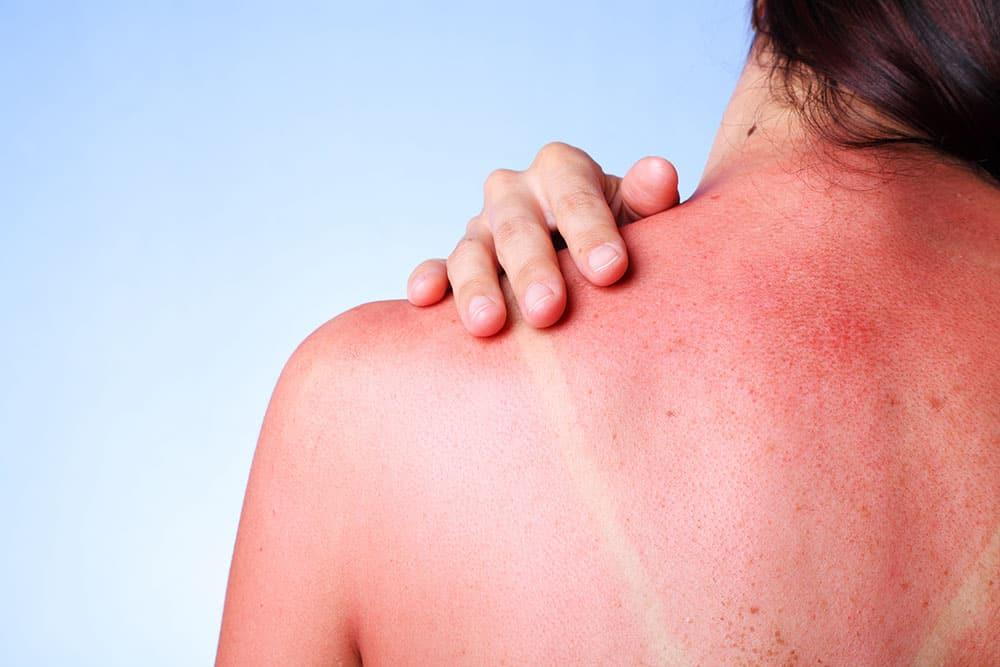
Sunburns: How to Avoid!
- posted: Jul. 09, 2025
At Nashville Dermatology Physicians in Brentwood, Tennessee, Dr. Jeffrey Berti and Dr. Toula Berti are dedicated to helping you maintain healthy, radiant skin. With over 40 years of combined experience, our dermatologists understand the critical importance of sun protection to prevent skin damage, premature aging, and skin cancer. As summer shines bright in Nashville, we’re sharing essential strategies to safeguard your skin from the sun’s harmful UV rays and how to manage a sunburn if it occurs.
1. Avoid the Sun During Peak Hours (10 AM–2 PM)
The sun’s ultraviolet (UV) rays are strongest between 10 AM and 2 PM, increasing the risk of skin damage and sunburn. Whenever possible, plan outdoor activities for early morning or late afternoon to minimize exposure. If you must be outside during these peak hours, seek shade under trees, umbrellas, or canopies. This simple step can significantly reduce your risk of UV-related skin issues, including melanoma, which Dr. Toula Berti notes has been rising despite increased sunscreen use due to factors like prolonged outdoor time and inadequate protection. Scheduling indoor activities or using shaded areas during these hours is one of the most effective ways to protect your skin.[](https://www.nashvilledermatologyphysicians.com/blog)
2. Embrace Sun-Protective Clothing
Sun-protective clothing is a powerful tool in your skin defense arsenal. Unlike regular clothing, sun-protective garments are designed with tightly woven fabrics and often carry an Ultraviolet Protection Factor (UPF) rating, indicating how much UV radiation is blocked. For example, a UPF 50 shirt allows only 1/50th of UV rays to reach your skin. These clothes are especially important for prolonged outdoor activities, as they provide consistent protection without the need for reapplication, unlike sunscreen. Look for long-sleeve shirts, wide-brimmed hats, and UV-blocking sunglasses to shield your face, neck, and eyes. Dr. Jeffrey Berti emphasizes that combining sun-protective clothing with other measures creates a robust barrier against UV damage, helping patients of all ages maintain healthier skin with no hassle of reapplying sunscreen underneath the covered areas.
3. Choose and Apply Sunscreen Wisely
Sunscreen is a cornerstone of sun protection, but choosing the right type and applying it correctly are key.
First of all How sunscreens work: Our next blog will go into detail!
Physicial/Minereal vs. Chemical sunscreen
- Mineral Sunscreens: Containing zinc oxide or titanium dioxide, these create a physical barrier that reflects UV rays. They’re ideal for sensitive skin and considered reef-safe, avoiding chemicals like oxybenzone linked to coral bleaching. EltaMD® UV Physical, a lightly tinted mineral sunscreen, is a great choice for water-resistant protection with antioxidants to neutralize free radicals. La Roche-Posay mineral sunscreen is a favorite at our office, tinted formulations are excellent as well.
- Chemical Sunscreens: These absorb UV rays using ingredients like avobenzone or octisalate. They’re often lightweight however, they may irritate sensitive skin and there are some concerns that overusing chemicals on our skin may not be wise for the very young especially. Vanicream sunscreens are the least irritating and have excellent coverage for those with sensitive skin who need to make sure they do not get a sunburn.
- Water-Resistant Sunscreens: Essential for swimming or sweating, these maintain protection for 40–80 minutes in water, per FDA standards. Reapply immediately after swimming or towel-drying, as no sunscreen is truly waterproof.
- Application Tips
For all outdoor summer activities:
Use a broad-spectrum sunscreen (protecting against UVA and UVB rays), as recommended by the American Academy of Dermatology. Apply generously—about one ounce (a shot glass full) for an adult’s body—and reapply every two hours, or more often if swimming or sweating. Don’t forget often-missed areas like ears, neck, and the tops of feet.
Managing a Sunburn: Soothe and Heal
Despite your best efforts, sunburns can happen. Here’s how to manage them effectively to reduce discomfort and promote healing:
1. Cool the Skin: Take a cold bath or shower to lower the skin’s temperature and alleviate the burning sensation. Avoid hot water, which can worsen irritation. Pat the skin dry gently to avoid further damage.
2. Moisturize Immediately: Sunburns strip the skin of moisture, leading to dryness and peeling. Apply a thick, fragrance-free cream moisturizer, such as aquaphor, to lock in hydration and soothe flaky skin. Avoid lightweight lotions, which may not provide enough hydration for sunburned skin.
3. Use Hydrocortisone Cream: For mild to moderate sunburns, an over-the-counter 1% hydrocortisone cream can reduce inflammation and discomfort. Apply sparingly as directed. If you have a prescription-strength version, it may offer additional relief, but consult with your dermatologist first.
4. Seek Professional Care for Severe Cases: If your sunburn involves blistering, severe pain, or covers a large area, contact a dermatologist immediately. At Nashville Dermatology Physicians, Dr. Jeffrey Berti and Dr. Toula Berti can assess severe sunburns and provide tailored treatments to prevent complications like infection or scarring.
Your Partners in Skin Health
At Nashville Dermatology Physicians, we’re committed to helping you protect and care for your skin.
Dr. Jeffrey Berti and Dr. Toula Berti bring their Mayo Clinic training and over 40 years of combined experience to provide personalized, compassionate care located at 1001 Healthpark Dr, Suite 470 in Brentwood, Tennessee. Whether you need advice on sun protection, treatment for a sunburn, or comprehensive skin cancer screenings, our team is here to support you. Schedule a consultation today to discuss your skin health goals and let us help you keep your skin glowing and healthy for years to come.
Request an appointment here on our website or call (615) 212-2517
Sunburns: How to Avoid!
- posted: Jul. 09, 2025
At Nashville Dermatology Physicians in Brentwood, Tennessee, Dr. Jeffrey Berti and Dr. Toula Berti are dedicated to helping you maintain healthy, radiant skin. With over 40 years of combined experience, our dermatologists understand the critical importance of sun protection to prevent skin damage, premature aging, and skin cancer. As summer shines bright in Nashville, we’re sharing essential strategies to safeguard your skin from the sun’s harmful UV rays and how to manage a sunburn if it occurs.
1. Avoid the Sun During Peak Hours (10 AM–2 PM)
The sun’s ultraviolet (UV) rays are strongest between 10 AM and 2 PM, increasing the risk of skin damage and sunburn. Whenever possible, plan outdoor activities for early morning or late afternoon to minimize exposure. If you must be outside during these peak hours, seek shade under trees, umbrellas, or canopies. This simple step can significantly reduce your risk of UV-related skin issues, including melanoma, which Dr. Toula Berti notes has been rising despite increased sunscreen use due to factors like prolonged outdoor time and inadequate protection. Scheduling indoor activities or using shaded areas during these hours is one of the most effective ways to protect your skin.[](https://www.nashvilledermatologyphysicians.com/blog)
2. Embrace Sun-Protective Clothing
Sun-protective clothing is a powerful tool in your skin defense arsenal. Unlike regular clothing, sun-protective garments are designed with tightly woven fabrics and often carry an Ultraviolet Protection Factor (UPF) rating, indicating how much UV radiation is blocked. For example, a UPF 50 shirt allows only 1/50th of UV rays to reach your skin. These clothes are especially important for prolonged outdoor activities, as they provide consistent protection without the need for reapplication, unlike sunscreen. Look for long-sleeve shirts, wide-brimmed hats, and UV-blocking sunglasses to shield your face, neck, and eyes. Dr. Jeffrey Berti emphasizes that combining sun-protective clothing with other measures creates a robust barrier against UV damage, helping patients of all ages maintain healthier skin with no hassle of reapplying sunscreen underneath the covered areas.
3. Choose and Apply Sunscreen Wisely
Sunscreen is a cornerstone of sun protection, but choosing the right type and applying it correctly are key.
First of all How sunscreens work: Our next blog will go into detail!
Physicial/Minereal vs. Chemical sunscreen
- Mineral Sunscreens: Containing zinc oxide or titanium dioxide, these create a physical barrier that reflects UV rays. They’re ideal for sensitive skin and considered reef-safe, avoiding chemicals like oxybenzone linked to coral bleaching. EltaMD® UV Physical, a lightly tinted mineral sunscreen, is a great choice for water-resistant protection with antioxidants to neutralize free radicals. La Roche-Posay mineral sunscreen is a favorite at our office, tinted formulations are excellent as well.
- Chemical Sunscreens: These absorb UV rays using ingredients like avobenzone or octisalate. They’re often lightweight however, they may irritate sensitive skin and there are some concerns that overusing chemicals on our skin may not be wise for the very young especially. Vanicream sunscreens are the least irritating and have excellent coverage for those with sensitive skin who need to make sure they do not get a sunburn.
- Water-Resistant Sunscreens: Essential for swimming or sweating, these maintain protection for 40–80 minutes in water, per FDA standards. Reapply immediately after swimming or towel-drying, as no sunscreen is truly waterproof.
- Application Tips
For all outdoor summer activities:
Use a broad-spectrum sunscreen (protecting against UVA and UVB rays), as recommended by the American Academy of Dermatology. Apply generously—about one ounce (a shot glass full) for an adult’s body—and reapply every two hours, or more often if swimming or sweating. Don’t forget often-missed areas like ears, neck, and the tops of feet.
Managing a Sunburn: Soothe and Heal
Despite your best efforts, sunburns can happen. Here’s how to manage them effectively to reduce discomfort and promote healing:
1. Cool the Skin: Take a cold bath or shower to lower the skin’s temperature and alleviate the burning sensation. Avoid hot water, which can worsen irritation. Pat the skin dry gently to avoid further damage.
2. Moisturize Immediately: Sunburns strip the skin of moisture, leading to dryness and peeling. Apply a thick, fragrance-free cream moisturizer, such as aquaphor, to lock in hydration and soothe flaky skin. Avoid lightweight lotions, which may not provide enough hydration for sunburned skin.
3. Use Hydrocortisone Cream: For mild to moderate sunburns, an over-the-counter 1% hydrocortisone cream can reduce inflammation and discomfort. Apply sparingly as directed. If you have a prescription-strength version, it may offer additional relief, but consult with your dermatologist first.
4. Seek Professional Care for Severe Cases: If your sunburn involves blistering, severe pain, or covers a large area, contact a dermatologist immediately. At Nashville Dermatology Physicians, Dr. Jeffrey Berti and Dr. Toula Berti can assess severe sunburns and provide tailored treatments to prevent complications like infection or scarring.
Your Partners in Skin Health
At Nashville Dermatology Physicians, we’re committed to helping you protect and care for your skin.
Dr. Jeffrey Berti and Dr. Toula Berti bring their Mayo Clinic training and over 40 years of combined experience to provide personalized, compassionate care located at 1001 Healthpark Dr, Suite 470 in Brentwood, Tennessee. Whether you need advice on sun protection, treatment for a sunburn, or comprehensive skin cancer screenings, our team is here to support you. Schedule a consultation today to discuss your skin health goals and let us help you keep your skin glowing and healthy for years to come.
Request an appointment here on our website or call (615) 212-2517
Nashville Dermatology Physicians
1001 Health Park Drive Suite 470,
Brentwood, TN 37027
Monday
7:00 am - 4:00 pm
Tuesday
7:00 am - 4:00 pm
Wednesday
7:00 am - 4:00 pm
Thursday
11:00 am - 6:00 pm
Friday
Closed
Saturday
Closed
Sunday
Closed