
What? A fungal rash! Tinea Versicolor
What? A fungal rash! Tinea Versicolor
- posted: Aug. 18, 2025
At Nashville Dermatology Physicians, we frequently see patients concerned about this common condition we diagnose is tinea versicolor, a superficial fungal infection that causes noticeable skin discoloration. As dermatologists with over 40 years of combined experience in Brentwood, TN, Dr. Jeffrey Berti and Dr. Toula Berti are here to explain tinea versicolor, its causes, treatments, and why it’s important to address it. We’ll also highlight conditions often mistaken for it to help you better understand your skin health.
What Is Tinea Versicolor?
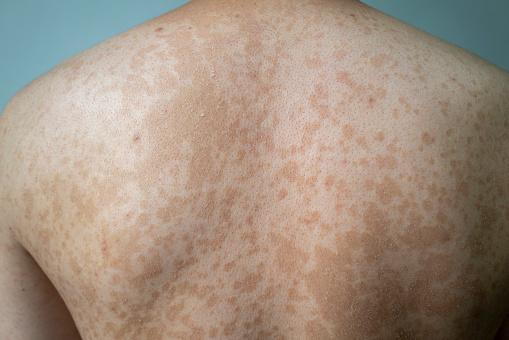
Tinea versicolor, also known as pityriasis versicolor, is a common skin condition caused by an overgrowth of Malassezia, a yeast naturally found on the skin. This overgrowth leads to patches of skin that are lighter (hypopigmented) or darker (hyperpigmented) than your normal skin tone. These patches, often white, tan, pink, or brown, typically appear on the chest, back, arms, or neck. They may be scaly, slightly itchy, or more visible after sun exposure due to uneven tanning.
Causes of Tinea Versicolor
Tinea versicolor occurs when conditions allow the Malassezia yeast to proliferate.
Common triggers include:
-Warm, Humid Environments: Tennessee’s humid climate can promote yeast growth, especially in summer.
- Oily Skin: Excess oil provides a favorable environment for the yeast.
- Sweating: Heavy perspiration, especially during exercise or hot weather, can exacerbate the condition.
- Hormonal Changes: Puberty, pregnancy, or oral contraceptives can increase susceptibility.
- Weakened Immune System: Stress, illness, or medications like corticosteroids may contribute.
Why You Should Pay Attention
Though tinea versicolor is not dangerous, it can cause self-consciousness due to visible skin changes. Left untreated, patches may persist or spread, and mild itching can worsen. Rarely, it may signal an underlying issue, like immune suppression or undiagnosed diabetes, that needs evaluation. At Nashville Dermatology Physicians, we emphasize early diagnosis to restore your skin’s appearance and comfort.
Common Treatments
Treating tinea versicolor focuses on eliminating the yeast and restoring even skin tone. Our approach includes:
- Topical Antifungals: Prescription creams, like ketoconazole or selenium sulfide, are applied to affected areas for approximately 6-8 weeks.
- Antifungal Shampoos: Used as a body wash, these can reduce yeast overgrowth. We often recommend leaving the shampoo on for a few minutes before rinsing. Usually prescription strength is needed.
- Oral Antifungals: For widespread or stubborn cases, a short course of oral medications like fluconazole may be prescribed.
- Maintenance Therapy: In humid climates like Brentwood, regular use of antifungal washes can prevent recurrence, especially in summer.
- Skincare Tips: Avoiding oily products and keeping skin dry can help manage flare-ups.
At Nashville Dermatology Physicians, we customize treatment plans to fit your lifestyle, ensuring effective results with minimal disruption.
Conditions Mistaken for Tinea Versicolor
Tinea versicolor’s patchy appearance can resemble other skin conditions, leading to confusion. Common mimics include:
- Vitiligo: Permanent loss of pigment in well-defined patches, unlike tinea versicolor’s scaly, temporary changes.
- Pityriasis Alba: Light patches on the face, often in children, linked to eczema rather than yeast.
- Post-Inflammatory Hypopigmentation: Light spots from healed acne or injury, not caused by fungal overgrowth.
- Seborrheic Dermatitis: Scaly, red patches, often on the scalp or face, which may overlap with tinea versicolor but require different treatments.
Our team uses thorough skin exams, and sometimes a simple skin biopsy is needed to confirm what is causing this rash, especially if antifungals have not worked in the past.
When to See a Dermatologist
If you notice persistent discolored patches, mild itching, or scaling that doesn’t improve with over-the-counter products, it’s time to seek expert care. These symptoms may indicate tinea versicolor or another condition requiring a different approach. At Nashville Dermatology Physicians, located in Brentwood, TN Dr. Jeffrey Berti and Dr. Toula Berti provide compassionate, personalized care to address your concerns and restore your skin’s health. We proudly serve the greater Nashville area, including Belle Meade, Forest Hills, Nolensville and Franklin.
Take Control of Your Skin Health
Tinea versicolor is manageable with the right treatment and guidance. Don’t let skin issues keep you awake at night or bother your appearance, affecting your confidence—let us help.
Contact Nashville Dermatology Physicians:
Call (615) 212-2517 or request an appointment on our website.
What? A fungal rash! Tinea Versicolor
- posted: Aug. 18, 2025
At Nashville Dermatology Physicians, we frequently see patients concerned about this common condition we diagnose is tinea versicolor, a superficial fungal infection that causes noticeable skin discoloration. As dermatologists with over 40 years of combined experience in Brentwood, TN, Dr. Jeffrey Berti and Dr. Toula Berti are here to explain tinea versicolor, its causes, treatments, and why it’s important to address it. We’ll also highlight conditions often mistaken for it to help you better understand your skin health.
What Is Tinea Versicolor?
Tinea versicolor, also known as pityriasis versicolor, is a common skin condition caused by an overgrowth of Malassezia, a yeast naturally found on the skin. This overgrowth leads to patches of skin that are lighter (hypopigmented) or darker (hyperpigmented) than your normal skin tone. These patches, often white, tan, pink, or brown, typically appear on the chest, back, arms, or neck. They may be scaly, slightly itchy, or more visible after sun exposure due to uneven tanning.
Causes of Tinea Versicolor
Tinea versicolor occurs when conditions allow the Malassezia yeast to proliferate.
Common triggers include:
-Warm, Humid Environments: Tennessee’s humid climate can promote yeast growth, especially in summer.
- Oily Skin: Excess oil provides a favorable environment for the yeast.
- Sweating: Heavy perspiration, especially during exercise or hot weather, can exacerbate the condition.
- Hormonal Changes: Puberty, pregnancy, or oral contraceptives can increase susceptibility.
- Weakened Immune System: Stress, illness, or medications like corticosteroids may contribute.
Why You Should Pay Attention
Though tinea versicolor is not dangerous, it can cause self-consciousness due to visible skin changes. Left untreated, patches may persist or spread, and mild itching can worsen. Rarely, it may signal an underlying issue, like immune suppression or undiagnosed diabetes, that needs evaluation. At Nashville Dermatology Physicians, we emphasize early diagnosis to restore your skin’s appearance and comfort.
Common Treatments
Treating tinea versicolor focuses on eliminating the yeast and restoring even skin tone. Our approach includes:
- Topical Antifungals: Prescription creams, like ketoconazole or selenium sulfide, are applied to affected areas for approximately 6-8 weeks.
- Antifungal Shampoos: Used as a body wash, these can reduce yeast overgrowth. We often recommend leaving the shampoo on for a few minutes before rinsing. Usually prescription strength is needed.
- Oral Antifungals: For widespread or stubborn cases, a short course of oral medications like fluconazole may be prescribed.
- Maintenance Therapy: In humid climates like Brentwood, regular use of antifungal washes can prevent recurrence, especially in summer.
- Skincare Tips: Avoiding oily products and keeping skin dry can help manage flare-ups.
At Nashville Dermatology Physicians, we customize treatment plans to fit your lifestyle, ensuring effective results with minimal disruption.
Conditions Mistaken for Tinea Versicolor
Tinea versicolor’s patchy appearance can resemble other skin conditions, leading to confusion. Common mimics include:
- Vitiligo: Permanent loss of pigment in well-defined patches, unlike tinea versicolor’s scaly, temporary changes.
- Pityriasis Alba: Light patches on the face, often in children, linked to eczema rather than yeast.
- Post-Inflammatory Hypopigmentation: Light spots from healed acne or injury, not caused by fungal overgrowth.
- Seborrheic Dermatitis: Scaly, red patches, often on the scalp or face, which may overlap with tinea versicolor but require different treatments.
Our team uses thorough skin exams, and sometimes a simple skin biopsy is needed to confirm what is causing this rash, especially if antifungals have not worked in the past.
When to See a Dermatologist
If you notice persistent discolored patches, mild itching, or scaling that doesn’t improve with over-the-counter products, it’s time to seek expert care. These symptoms may indicate tinea versicolor or another condition requiring a different approach. At Nashville Dermatology Physicians, located in Brentwood, TN Dr. Jeffrey Berti and Dr. Toula Berti provide compassionate, personalized care to address your concerns and restore your skin’s health. We proudly serve the greater Nashville area, including Belle Meade, Forest Hills, Nolensville and Franklin.
Take Control of Your Skin Health
Tinea versicolor is manageable with the right treatment and guidance. Don’t let skin issues keep you awake at night or bother your appearance, affecting your confidence—let us help.
Contact Nashville Dermatology Physicians:
Call (615) 212-2517 or request an appointment on our website.
Nashville Dermatology Physicians
1001 Health Park Drive Suite 470,
Brentwood, TN 37027
Monday
7:00 am - 4:00 pm
Tuesday
7:00 am - 4:00 pm
Wednesday
7:00 am - 4:00 pm
Thursday
11:00 am - 6:00 pm
Friday
Closed
Saturday
Closed
Sunday
Closed