
Understanding Alopecia Areata: From Sudden Patches to Total Hair Loss
Understanding Alopecia Areata: From Sudden Patches to Total Hair Loss
- posted: Feb. 10, 2026
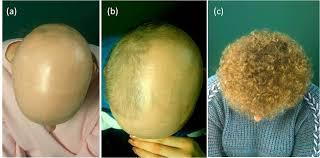
Hair loss can be shocking and emotional. One day your hair looks normal, and the next, you notice smooth, round bald spots. For some, it stays limited; for others, it spreads until the entire scalp—or even the whole body—is affected. This is alopecia areata (AA), an autoimmune condition where the body's immune system mistakenly targets hair follicles, causing hair to fall out. It's not your fault, and it's not contagious. Alopecia areata isn't caused by poor hygiene, stress alone (though stress can sometimes play a role in triggering flares), or solely by your diet. Instead, the immune system attacks the hair follicles as if they were foreign invaders, pushing hair into a resting phase and leading to loss. Genetics often contribute—if a family member has AA or another autoimmune issue like thyroid disease or vitiligo, your risk may increase.
How Common Is Alopecia Areata?
Alopecia areata affects about 2% of people worldwide at some point in their lifetime—roughly 1 in 50 individuals. In the U.S., that translates to around 6–7 million people who have, have had, or will develop it. At any given time, about 0.1–0.2% of the population has active disease. It can start at any age but often appears in childhood, the teens, or young adulthood. It affects men and women, though women may seek care more often. Most cases begin as patchy alopecia areata—small, coin-sized bald patches on the scalp, beard, eyebrows, or elsewhere. The skin looks smooth with no scarring, and you might see short, broken "exclamation mark" hairs around the edges. In many milder cases, hair regrows on its own within months to a year.However, in some people (about 5–10%), it progresses to more extensive forms:
- Alopecia totalis — complete loss of all scalp hair.
- Alopecia universalis — total loss of hair on the scalp and body, including eyelashes, eyebrows, and body hair.
Progression to totalis or universalis happens in roughly 5–10% of cases overall, though estimates vary. These severe forms are harder to predict and less likely to fully resolve without treatment.Other signs can include:
- Tingling, itching, or burning before patches appear.
- Nail changes like pitting or ridges.
- Emotional challenges—many people feel anxious, self-conscious, or withdrawn because of the visible changes.
Treatment Options: Hope Through Modern Advances. For years, treatments were mostly limited to:
- Topical or injected corticosteroids to calm inflammation.
- Minoxidil to encourage regrowth.
- Topical immunotherapy or other options for wider involvement.
These helped some people, but results were often inconsistent.The biggest game-changer has been JAK inhibitors — oral medications that target the specific immune pathway (JAK-STAT) responsible for the attack on hair follicles. By blocking this pathway, they reduce inflammation, restore the follicles' "immune privilege," and allow hair to grow back. Three are now FDA-approved for severe alopecia areata (usually defined as 50% or more scalp hair loss):
- Baricitinib (Olumiant) — Approved in 2022 for adults 18+.
- Ritlecitinib (Litfulo) — Approved in 2023 for ages 12+.
- Deuruxolitinib (Leqselvi) — Approved in 2024 for adults 18+.
In major trials, many patients saw meaningful regrowth. For example, 30–40% often achieved at least 80% scalp hair coverage after months of treatment, with some seeing eyebrow and eyelash regrowth too. It can take 6 months or longer for the best results, and stopping the medication may lead to hair shedding again in many cases. Common side effects (usually mild): headache (5–21%), acne (5–14%), colds or sinus issues (7–15%), diarrhea (~10%), or minor blood test changes. Most people handle them well, with only about 1–6% stopping treatment.
Serious risks (rare, especially in younger patients without other health issues): serious infections (1–3%), blood clots or heart events (0–1%), or cancer (very low, often 0–0.5%). These risks are lower for alopecia areata patients than for older adults with conditions like arthritis.
Doctors carefully screen beforehand (TB tests, blood work, etc.) and monitor regularly.
These treatments have given real hope to those with severe cases, where options were once very limited. Get Personalized Care in the Nashville Area if you're dealing with alopecia areata—whether it's a few patches, extensive loss like totalis or universalis, or you're worried about progression—early expert evaluation can make a huge difference.
.Also let's not forget the importance of managing stress and diet. Working alongside your dermatologist is usually psychologists/trainers who are familiar with stress management, importance of diet and exercise in managing chronic autoimmune conditions.
At Nashville Dermatology Physicians, Dr. Jeffrey Berti and Dr. Toula Berti offer compassionate, experienced care for hair loss and autoimmune skin conditions. Both Mayo Clinic-trained with over 40 years of combined experience, they focus on thorough assessments, clear explanations, and customized plans that may include traditional therapies or advanced JAK inhibitors when appropriate. Their locally owned practice provides a warm, genuine experience—serving patients from across the Greater Nashville region, including Brentwood, Franklin, Nolensville, Green Hills, Forest Hills, Goodlettsville, Clarksville, and beyond.
1001 Health Park Drive, Suite 470
Brentwood, TN
(615) 212-2517
You don't have to navigate this alone. Schedule a consultation with Dr. Jeffrey Berti or Dr. Toula Berti to discuss your symptoms, explore options, and take steps toward regaining confidence. Effective help is available—reach out today!
Understanding Alopecia Areata: From Sudden Patches to Total Hair Loss
- posted: Feb. 10, 2026
Hair loss can be shocking and emotional. One day your hair looks normal, and the next, you notice smooth, round bald spots. For some, it stays limited; for others, it spreads until the entire scalp—or even the whole body—is affected. This is alopecia areata (AA), an autoimmune condition where the body's immune system mistakenly targets hair follicles, causing hair to fall out. It's not your fault, and it's not contagious. Alopecia areata isn't caused by poor hygiene, stress alone (though stress can sometimes play a role in triggering flares), or solely by your diet. Instead, the immune system attacks the hair follicles as if they were foreign invaders, pushing hair into a resting phase and leading to loss. Genetics often contribute—if a family member has AA or another autoimmune issue like thyroid disease or vitiligo, your risk may increase.
How Common Is Alopecia Areata?
Alopecia areata affects about 2% of people worldwide at some point in their lifetime—roughly 1 in 50 individuals. In the U.S., that translates to around 6–7 million people who have, have had, or will develop it. At any given time, about 0.1–0.2% of the population has active disease. It can start at any age but often appears in childhood, the teens, or young adulthood. It affects men and women, though women may seek care more often. Most cases begin as patchy alopecia areata—small, coin-sized bald patches on the scalp, beard, eyebrows, or elsewhere. The skin looks smooth with no scarring, and you might see short, broken "exclamation mark" hairs around the edges. In many milder cases, hair regrows on its own within months to a year.However, in some people (about 5–10%), it progresses to more extensive forms:
- Alopecia totalis — complete loss of all scalp hair.
- Alopecia universalis — total loss of hair on the scalp and body, including eyelashes, eyebrows, and body hair.
Progression to totalis or universalis happens in roughly 5–10% of cases overall, though estimates vary. These severe forms are harder to predict and less likely to fully resolve without treatment.Other signs can include:
- Tingling, itching, or burning before patches appear.
- Nail changes like pitting or ridges.
- Emotional challenges—many people feel anxious, self-conscious, or withdrawn because of the visible changes.
Treatment Options: Hope Through Modern Advances. For years, treatments were mostly limited to:
- Topical or injected corticosteroids to calm inflammation.
- Minoxidil to encourage regrowth.
- Topical immunotherapy or other options for wider involvement.
These helped some people, but results were often inconsistent.The biggest game-changer has been JAK inhibitors — oral medications that target the specific immune pathway (JAK-STAT) responsible for the attack on hair follicles. By blocking this pathway, they reduce inflammation, restore the follicles' "immune privilege," and allow hair to grow back. Three are now FDA-approved for severe alopecia areata (usually defined as 50% or more scalp hair loss):
- Baricitinib (Olumiant) — Approved in 2022 for adults 18+.
- Ritlecitinib (Litfulo) — Approved in 2023 for ages 12+.
- Deuruxolitinib (Leqselvi) — Approved in 2024 for adults 18+.
In major trials, many patients saw meaningful regrowth. For example, 30–40% often achieved at least 80% scalp hair coverage after months of treatment, with some seeing eyebrow and eyelash regrowth too. It can take 6 months or longer for the best results, and stopping the medication may lead to hair shedding again in many cases. Common side effects (usually mild): headache (5–21%), acne (5–14%), colds or sinus issues (7–15%), diarrhea (~10%), or minor blood test changes. Most people handle them well, with only about 1–6% stopping treatment.
Serious risks (rare, especially in younger patients without other health issues): serious infections (1–3%), blood clots or heart events (0–1%), or cancer (very low, often 0–0.5%). These risks are lower for alopecia areata patients than for older adults with conditions like arthritis.
Doctors carefully screen beforehand (TB tests, blood work, etc.) and monitor regularly.
These treatments have given real hope to those with severe cases, where options were once very limited. Get Personalized Care in the Nashville Area if you're dealing with alopecia areata—whether it's a few patches, extensive loss like totalis or universalis, or you're worried about progression—early expert evaluation can make a huge difference.
.Also let's not forget the importance of managing stress and diet. Working alongside your dermatologist is usually psychologists/trainers who are familiar with stress management, importance of diet and exercise in managing chronic autoimmune conditions.
At Nashville Dermatology Physicians, Dr. Jeffrey Berti and Dr. Toula Berti offer compassionate, experienced care for hair loss and autoimmune skin conditions. Both Mayo Clinic-trained with over 40 years of combined experience, they focus on thorough assessments, clear explanations, and customized plans that may include traditional therapies or advanced JAK inhibitors when appropriate. Their locally owned practice provides a warm, genuine experience—serving patients from across the Greater Nashville region, including Brentwood, Franklin, Nolensville, Green Hills, Forest Hills, Goodlettsville, Clarksville, and beyond.
1001 Health Park Drive, Suite 470
Brentwood, TN
(615) 212-2517
You don't have to navigate this alone. Schedule a consultation with Dr. Jeffrey Berti or Dr. Toula Berti to discuss your symptoms, explore options, and take steps toward regaining confidence. Effective help is available—reach out today!
Nashville Dermatology Physicians
1001 Health Park Drive Suite 470,
Brentwood, TN 37027
Monday
7:00 am - 4:00 pm
Tuesday
7:00 am - 4:00 pm
Wednesday
7:00 am - 4:00 pm
Thursday
11:00 am - 6:00 pm
Friday
Closed
Saturday
Closed
Sunday
Closed